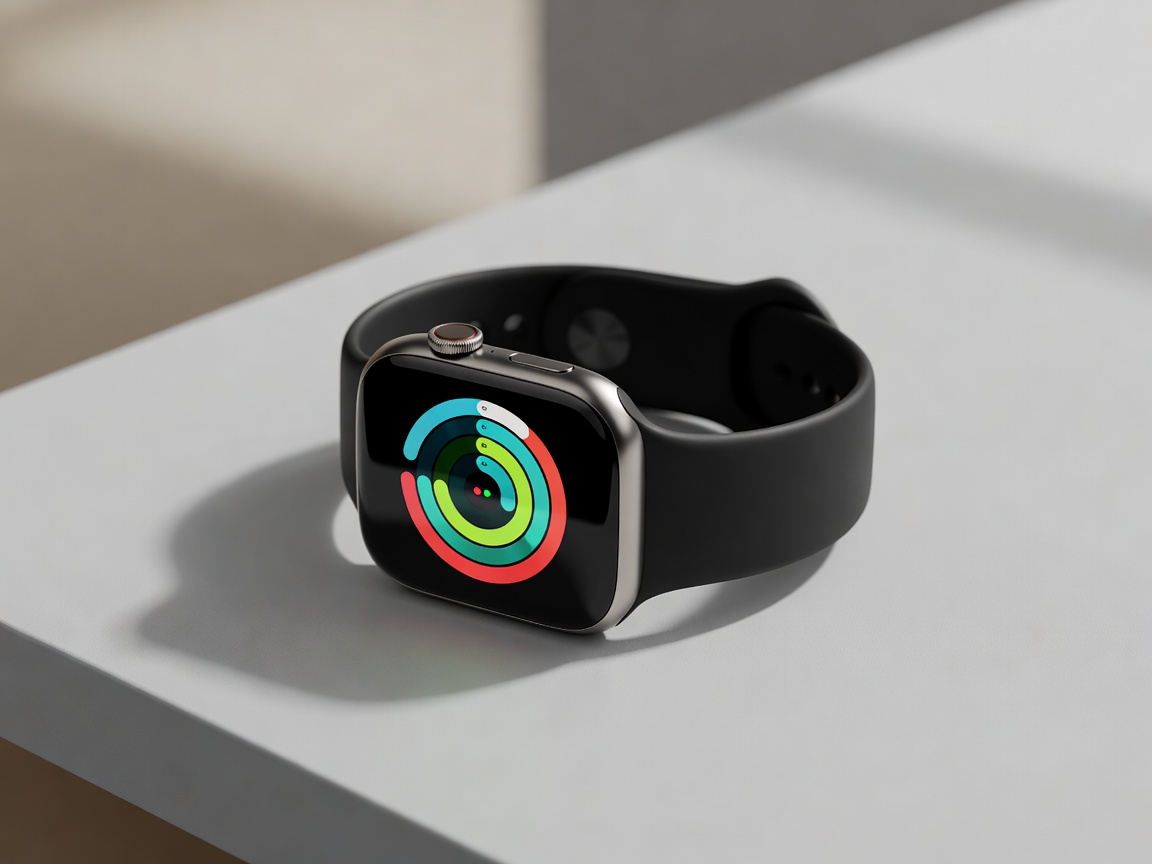
The Evolution of the Wristwatch
In the early days of wearables, a smartwatch was little more than a remote control for your smartphone—a digital display that saved you the trouble of pulling a phone out of your pocket just to dismiss an email. Today, the dynamic has completely flipped. Modern smartwatches function as independent health tracking devices, biometric labs, and fitness coaches, providing data density that used to require clinical medical equipment.
The convergence of miniaturized sensors, improved battery chemistry, and advanced data processing has transformed these devices into continuous health monitors. But with an overwhelming array of metrics—from sleep staging to blood oxygen—it is crucial to separate actionable data from marketing gimmicks.
How the Sensors Work
The magic of modern health tracking happens beneath the watch chassis, against your skin. The primary array utilizes photoplethysmography (PPG). By flashing green LEDs into your capillary beds and measuring the light that reflects back, the watch can detect changes in blood volume with each heartbeat. This provides your continuous heart rate and heart rate variability (HRV).
More advanced models integrate red and infrared LEDs to measure blood oxygen saturation (SpO2), assessing how well your red blood cells are binding oxygen. Accelerometers and gyroscopes track movement across multiple axes, allowing the watch to deduce whether you are walking, running, swimming, or sleeping. When combined with dual-frequency GPS receivers, these wearables can map your outdoor runs with pinpoint accuracy even in dense urban environments.
Key Features to Consider
Choosing the right wearable heavily depends on your daily routines. Consider the following hardware and software capabilities:
- Display Technology: OLED screens offer vibrant colors and crisp text but drain battery faster. Memory-In-Pixel (MIP) screens look dull indoors but are highly visible in direct sunlight and consume a fraction of the power.
- Battery Lifespan: A full-featured lifestyle smartwatch might last 1-2 days per charge. A dedicated fitness watch with an MIP screen and fewer background apps can easily last 14 to 30 days.
- Ecosystem Lock-in: Many premium smartwatches are strictly bound to a single smartphone ecosystem. Before purchasing, verify that the watch companion app integrates seamlessly with the phone you plan to use for the next few years.
- Durability Specs: Look for sapphire crystal glass to prevent screen scratching, titanium bezels for weight reduction, and ATM water resistance ratings if you plan to swim.
Pros and Cons of Adoption
The primary advantage of wearing a smartwatch is accountability. The psychological impact of seeing your daily activity metrics gamified into rings or scores often leads to quantifiable improvements in physical health. Early detection of irregular heart rhythms or sudden drops in HRV can also serve as powerful preventive health markers.
Conversely, the downside is data anxiety. Being constantly notified about poor sleep scores or minor fluctuations in heart rate can induce stress. Furthermore, these are depreciating tech assets; unlike mechanical watches that last generations, the non-replaceable internal batteries give most smartwatches a functional lifespan of three to five years before they require replacement.
Pricing Expectations
The smartwatch market scales based on sensor accuracy and build materials:
| Tier | Price Range | What to Expect |
|---|---|---|
| Fitness Trackers | $80 – $150 | Slim band form factor, basic step counting, heart rate, connected GPS (requires phone). |
| Lifestyle Watches | $250 – $400 | Full app ecosystems, contactless payments, built-in GPS, bright OLED displays, 1-2 day battery. |
| Performance Gear | $500 – $900+ | Titanium builds, dual-band GPS, advanced recovery metrics, offline topographical maps, multi-week battery. |
Final Verdict
If your goal is to reduce screen time while staying connected to urgent messages, a lifestyle watch excels. However, if you are training for endurance events or want comprehensive, longitudinal health data without the burden of daily charging, a dedicated performance fitness watch is the superior choice.