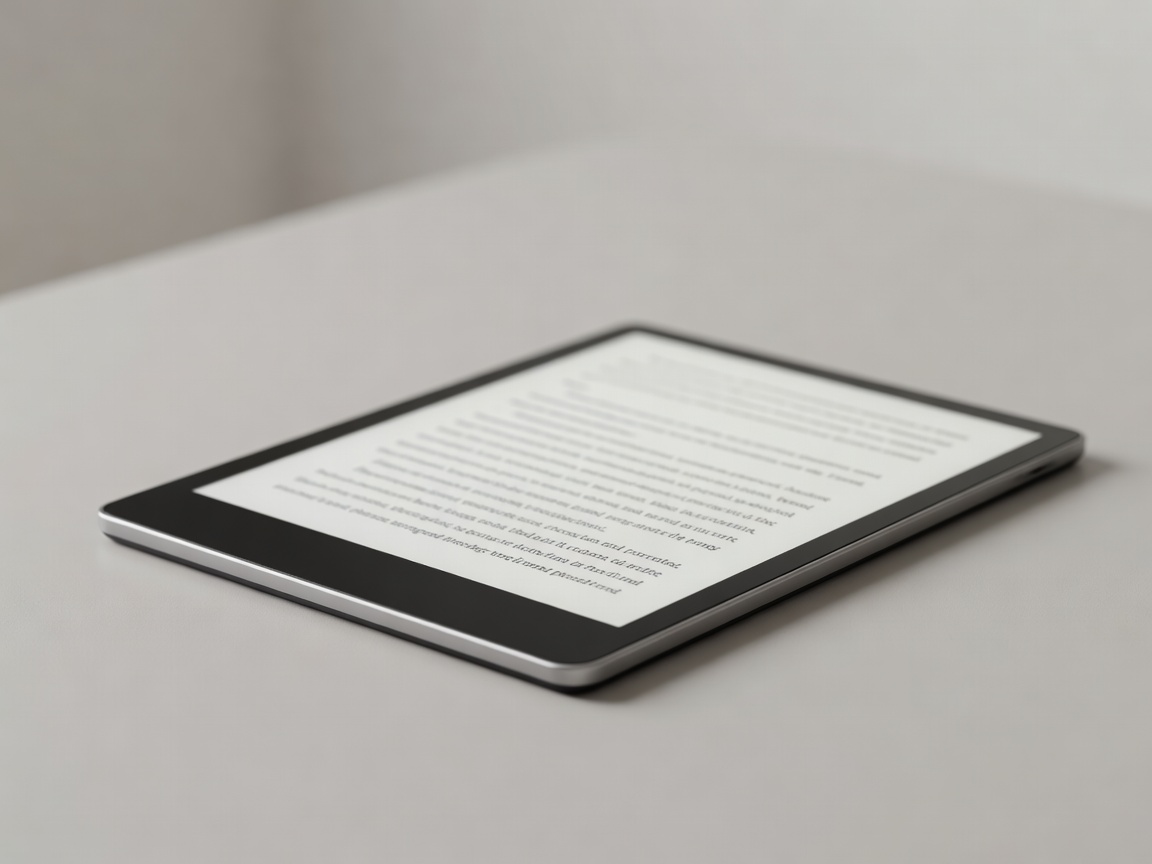
The Resistance Against Screens
We spend an overwhelming majority of our waking hours staring into light-emitting diodes. From our smartphones and computer monitors to our televisions, modern life is aggressively backlit. This constant barrage of blue light and rapid refresh rates can lead to digital eye strain, disrupted sleep cycles, and a pervasive lack of focus. Enter the E-Reader.
E-Ink technology feels like an anomaly in the fast-paced tech world. It deliberately sacrifices color vibrancy, video playback, and rapid refresh rates to achieve something entirely different: a reading experience that mimics real paper. By stripping away distractions and optimizing for text, E-Readers have carved out a permanent niche among hobbyists, academics, and professionals who prioritize focus.
How the Technology Works
Unlike LCD or OLED screens which push light through colored filters to your eyes, E-Ink (electrophoretic) displays rely on physical particles. The screen contains millions of microcapsules filled with clear fluid. Inside each capsule are positively charged white particles and negatively charged black particles.
When the device applies a negative electric field to the bottom of a capsule, the white particles are pushed to the top, making that pixel appear white. Reversing the charge brings the black particles to the surface to form text. Because this relies on physical movement, the screen only consumes power when turning a page. Once an image or text is set, it requires zero electricity to maintain its state. This is why E-Readers boast battery lives measured in weeks or months rather than hours.
Key Features to Consider
Not all electronic paper is created equal. The current market offers specialized devices for different use cases:
- Screen Size: A 6-inch screen is perfect for reading fiction novels and easily slips into a jacket pocket. A 10-inch or 13-inch screen is necessary if you frequently read PDFs, academic papers, or digital comic books.
- Front-light vs Backlight: E-Readers use front-lights, meaning LEDs are embedded in the bezel and shine light down across the surface of the screen rather than into your eyes. Look for devices with adjustable color temperatures (warm light) for night reading.
- Note-Taking Capabilities: High-end E-Ink tablets include Wacom digitizer layers and styluses. This allows you to annotate documents directly or use the device as a digital notebook with almost zero input lag.
- Ecosystems and Formats: Ensure the device supports the file types you own (EPUB, PDF, MOBI). Some ecosystems strictly limit you to their proprietary storefront, while others run open Android allowing you to download any reading app.
Pros and Cons of Adoption
The foremost advantage is focus. Reading on an E-Ink device removes the temptation to quickly check email or social media. The lack of glare allows you to read in direct sunlight at the beach, and the front-light means you can read in pitch darkness without disturbing a partner. Furthermore, the extreme battery life means you rarely need to pack a charger for vacations.
The disadvantages stem from the technology's limitations. E-Ink refresh rates are sluggish, resulting in ghosting (faint remnants of the previous page) and slow navigation through menus. Color E-Ink exists, but the colors appear washed out and muted compared to standard tablets. Finally, heavily formatted documents with charts and graphs often render poorly on smaller monochrome screens.
Pricing Expectations
The E-Ink market offers a clear progression in features and sizing:
| Tier | Price Range | What to Expect |
|---|---|---|
| Basic Readers | $100 – $150 | 6-inch screen, standard white front-light, plastic chassis, optimized for text-only books. |
| Premium Readers | $180 – $280 | 7 to 8-inch screens, warm lighting, waterproof ratings, physical page-turn buttons, metal builds. |
| Digital Notepads | $350 – $600+ | 10-inch+ screens, stylus support for handwriting, Android app support, PDF reading. |
Final Verdict
If you want a multimedia device that can browse the web, play games, and occasionally show a book, buy a traditional tablet. But if you are seeking a refuge from digital fatigue and want to reclaim the singular focus required for deep reading, an E-Ink device is an indispensable tool.