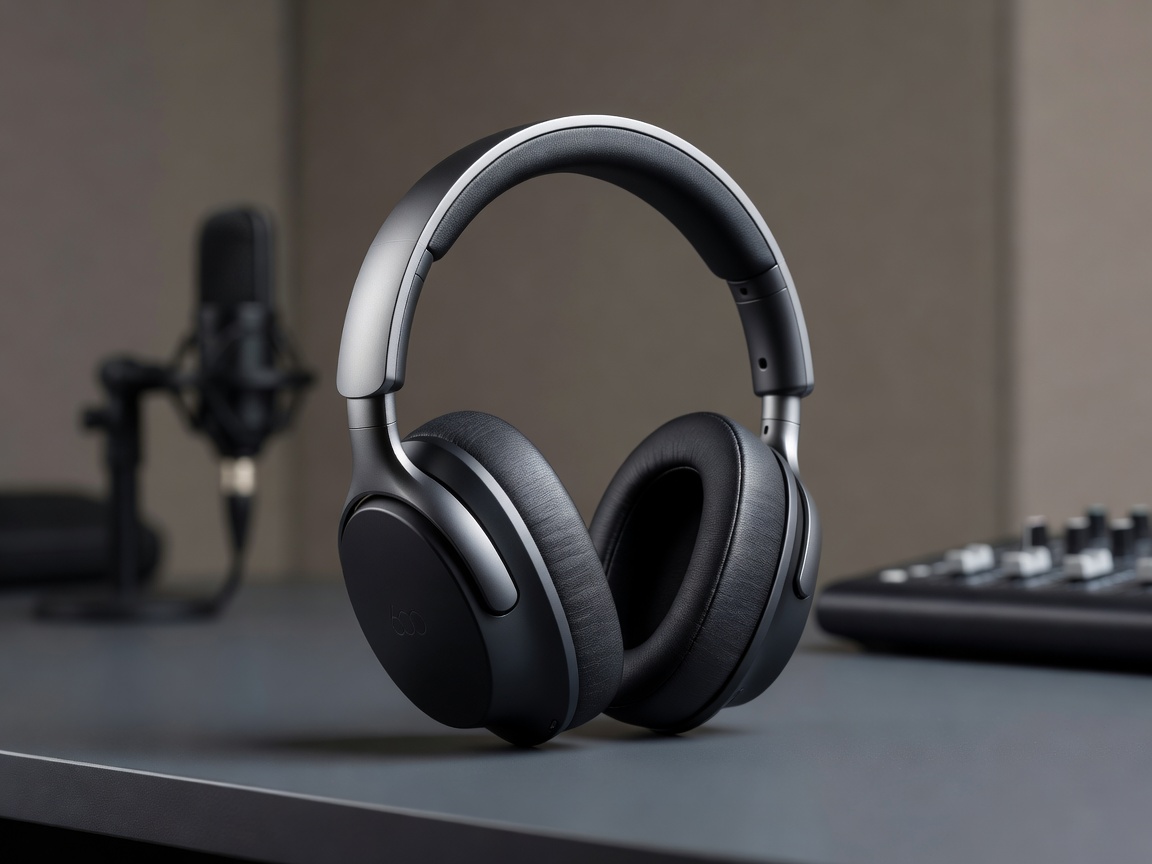
Introduction to the Silence
The modern world is loud. Whether it is the low-frequency drone of an airplane engine, the chaotic chatter of an open-plan office, or the sudden roar of passing traffic, auditory distractions are constant. Active Noise-Cancelling (ANC) headphones have transitioned from being a luxury travel accessory for frequent flyers to an absolute necessity for deep work and daily commutes. But navigating the market requires understanding what happens inside the ear cups.
Unlike passive isolation—which simply attempts to block sound waves by creating a physical seal around or inside your ear—active noise cancellation uses a fascinating interplay of hardware and software to eliminate sound before it reaches your eardrums.
How the Technology Works
The core concept behind ANC is destructive interference. A typical pair of ANC headphones features multiple external and internal microphones. The external microphones pick up ambient noise from your environment. An onboard digital signal processor (DSP) analyzes this sound in milliseconds and generates a sound wave with the exact opposite amplitude—an inverted phase.
When the original noise wave and the generated anti-noise wave collide in the ear cup, they effectively cancel each other out. This process works exceptionally well for low-frequency, continuous sounds like airplane engines or air conditioners. Higher frequency sounds, like human voices or a baby crying, are much harder to predict and cancel, which is why manufacturers still rely heavily on the physical clamping force and ear pad materials to provide passive isolation for those frequencies.
Key Features to Consider
When evaluating which hardware to invest in, you should look beyond just the marketing jargon. Here are the primary pillars of modern headphone assessment:
- Microphone Array Quality: The number and placement of microphones dictate both the quality of noise cancellation and how clear your voice sounds on phone calls. A weak microphone array will struggle with wind noise.
- Comfort and Ergonomics: Because ANC headphones are often worn for consecutive hours, clamping force, headband padding, and ear cup depth are critical. Synthetic leather can get warm, whereas fabric meshes offer better breathability but slightly worse passive isolation.
- Battery Life: ANC processing requires significant power. A solid benchmark for current market standards is 20 to 30 hours of continuous playback with ANC enabled.
- Transparency Modes: Sometimes you need to hear the world around you. Modern processing can pipe external audio in, allowing you to have a conversation without removing the headset. The quality of this pass-through audio varies wildly across the market.
Pros and Cons of Adoption
While the benefits are clear, there are drawbacks. On the positive side, ANC drastically reduces auditory fatigue during long travel and improves concentration in busy environments. It also allows you to listen to music at much lower, safer volumes, protecting your long-term hearing.
On the negative side, ANC can alter the sound profile of your music, sometimes introducing a faint hiss or a feeling of "cabin pressure" on the eardrums due to the inverted sound waves. Furthermore, built-in lithium-ion batteries mean these devices have a finite lifespan; once the battery degrades in a few years, the entire unit often needs replacing, contributing to e-waste.
Pricing Expectations
The market is broadly segmented into three tiers:
| Tier | Price Range | What to Expect |
|---|---|---|
| Entry-Level | $50 – $100 | Basic low-frequency cancellation, heavy plastic builds, Micro-USB charging, acceptable sound. |
| Mid-Range | $150 – $250 | Good overall cancellation, USB-C, basic transparency modes, comfortable for multi-hour sessions. |
| Premium | $300 – $450+ | Industry-leading algorithms, multipoint Bluetooth pairing, premium materials (metal/leather), spatial audio support. |
Final Verdict
The decision to invest in ANC technology ultimately hinges on your environment. If you work from home in a quiet room, a standard pair of open-back headphones might offer a better pure audio experience. But if you commute, travel, or share a workspace, the ability to summon silence on demand is a modern miracle worth the investment.